Waukee metal is mostly leftovers from houses that just went up
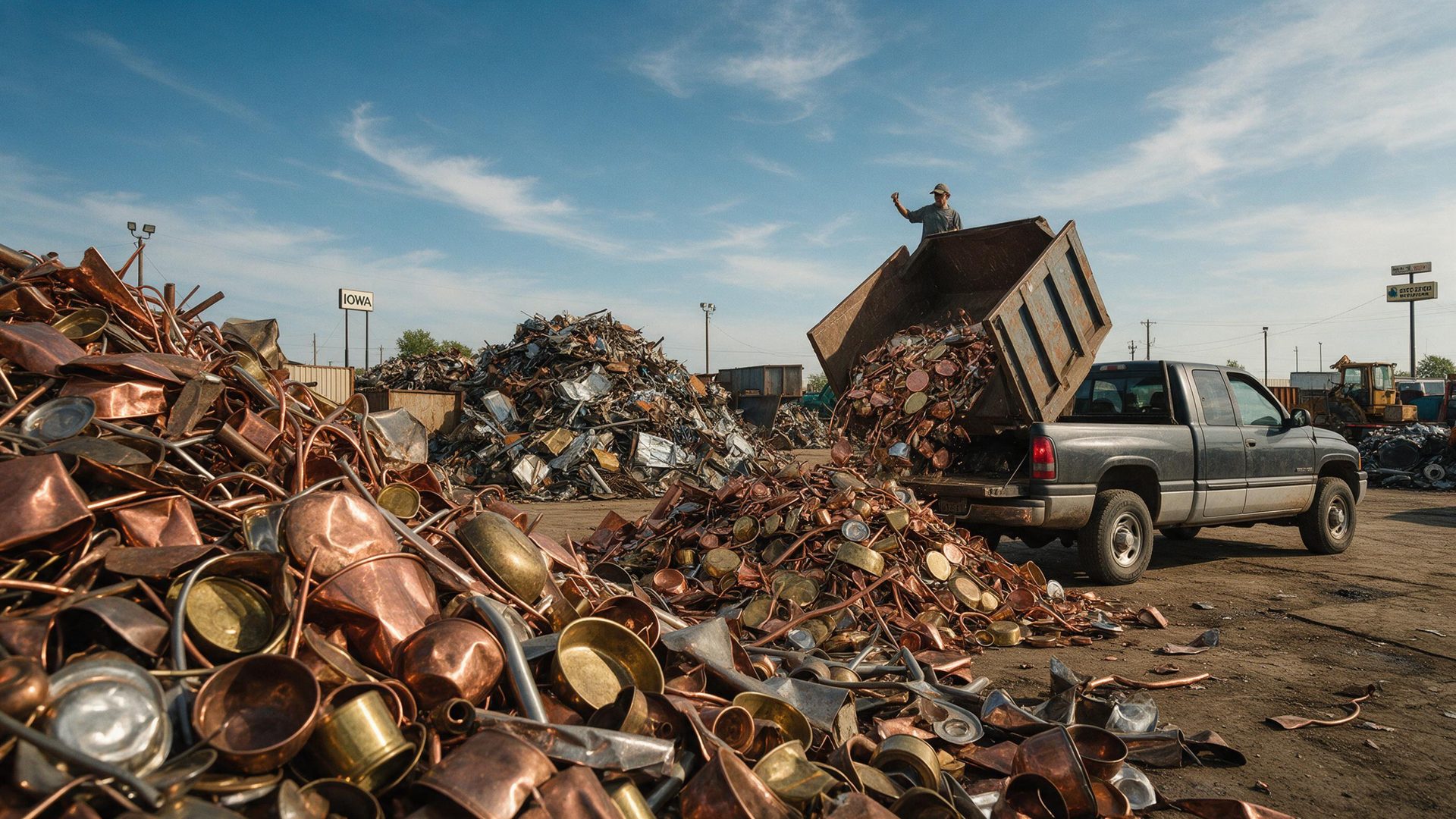
Waukee’s school-driven growth means whole streets of new slabs. Scrap here is often a builder’s pile at the end of a punch list: short copper, aluminum soffit drops, and steel that was cut on site and left in the garage until closing. It is light compared with a factory cleanout, so a photo that shows the volume matters more than a proud description.
A few acreages on the west edge still have the older pattern — a truck on blocks and a grain-bin patch of steel. Dallas County titles and access (gravel, narrow culverts, HOA gates) should be in the note so a tow or a pickup is not a surprise.
Local prices vary by yard. Send a photo for a quote. We do not publish a Waukee scale sheet.
Des Moines Scrap is an independent referral service that connects you with local scrap yards.
Contractor scrap form · Gold and silver · Cash for cars
Sorting Waukee construction scrap before pickup
A magnet is a quick first sort, not a grade test. If it sticks, the piece is usually ferrous steel or iron; if it does not, it may be copper, brass, or aluminum. Keep the groups separate rather than putting everything nonmagnetic together. Stainless steel can behave differently depending on its composition, so tell the yard what you know and let its scale and grading process determine the final classification.
Copper wire and pipe can fall into different grades. Clean, uncoated copper wire with no attached fittings may qualify as bare bright, while clean pipe and other solid copper may be considered #1 or #2 depending on coating, solder, paint, or other contamination. Insulated wire is graded differently because the insulation has to be accounted for. Do not cut away insulation or fittings just to guess at a better grade; ask the partner yard what it accepts and how it assesses the material.
Aluminum soffit, trim, and framing offcuts should be kept apart from steel and copper. Remove obvious screws, wood, plastic, and other attached material when it can be done safely, but do not spend time dismantling every piece before checking how the yard wants it prepared. Clean metal generally grades differently from material mixed with dirt, concrete, insulation, or other debris. A photo of sorted piles helps a yard judge what is there without treating the photo as a final grade or scale ticket.
Planning a Waukee scrap pickup and avoiding surprises
Stripping insulated wire takes time and can create sharp scraps. Whether it is worthwhile depends on the wire type, amount, labor, and the grade a yard will assign. Ask the partner yard whether it accepts insulated wire as-is and whether stripping changes how it is classified. Do not burn insulation; apart from the safety and environmental risks, damaged or contaminated copper may not be accepted as clean material.
Before loading, separate the metal from drywall, treated lumber, plastic wrap, and general job debris. Wear gloves and eye protection around cut edges, and do not climb onto an unstable pile to reach material. If the load includes an appliance with a sealed refrigerant system, do not cut lines or release refrigerant. Many yards require proper refrigerant evacuation before accepting such equipment; confirm requirements with the yard before arranging pickup.
Questions
Does a photo establish the final grade or payment for Waukee scrap?
No. A photo can help a partner yard identify likely material and estimate whether a pickup makes sense, but it cannot show every coating, attachment, or contamination issue. The yard determines the grade after inspection and weighing. This site connects sellers with independent partner yards; it does not buy the scrap or issue the weigh ticket or payment.
Should I strip insulation from copper wire before pickup?
Not automatically. Stripping takes labor, leaves sharp waste, and may not improve the overall return for a small amount of wire. Ask the partner yard whether it accepts insulated wire and how it grades it. Keep different wire types separate if you can identify them, and do not burn insulation to remove it.
Can an appliance with refrigerant go in a metal pickup?
Check with the partner yard before setting it out. Refrigerant should not be released by cutting or puncturing the system, and many yards require proper evacuation before accepting the appliance. Tell the yard what type of item it is and whether refrigerant has been removed by an appropriate service provider.
What should I have ready when I ask a Waukee yard for a quote?
Send clear photos of the whole pile and close views of the main metal types. Include an approximate quantity, whether pieces are mixed with debris, and any access limits for loading. If a vehicle or catalytic converter is included, ask the yard in advance what identification or ownership paperwork it requires; requirements can vary.
Can I include a junk car with construction scrap?
Ask the partner yard whether it can arrange both materials in one visit. Vehicle pickup and scrap-metal pickup may involve different equipment and paperwork. For a junk car, ask what title or other ownership documents are required before scheduling, and confirm access for the tow vehicle. The yard handles its own inspection, weighing, and payment process.