Johnston mixes acreage steel with subdivision copper
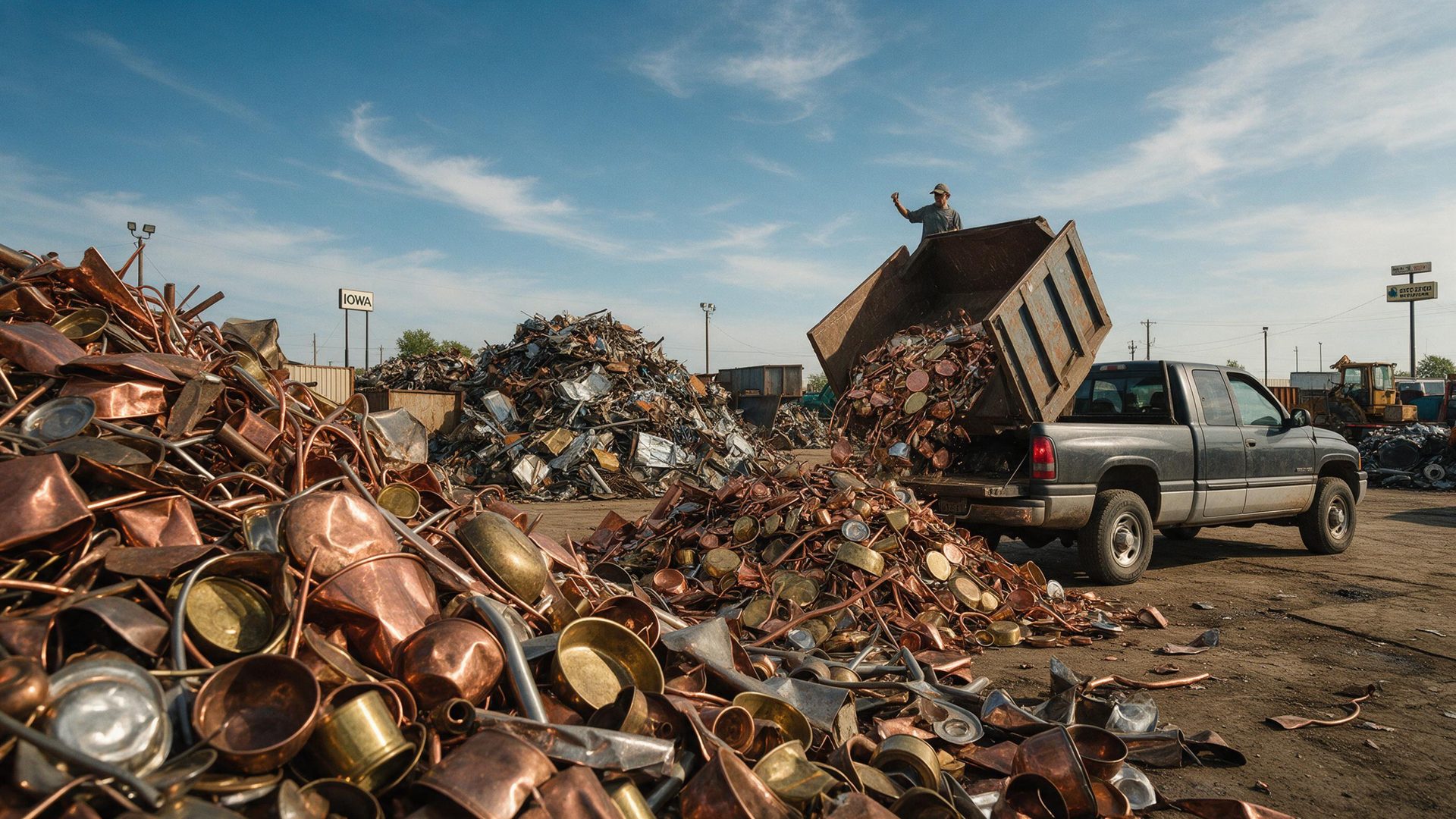
Johnston’s northwest side still has acreages where a shed holds angle iron, old gates, and a mower deck that became scrap the year the rider quit. That steel is worth moving only in bulk, and it often has wood bolted through it. Pull the wood off or tell the yard it is still there.
The subdivision side, closer to the schools and the retail at 86th, looks like every other metro remodel: copper supply, a furnace, and a car that failed emissions and stayed because the household had a second one. Camp Dodge traffic can slow a pickup window — mention morning access if the driveway shares a busy road.
Local prices vary by yard. Send a photo for a quote. We do not publish a Johnston scale sheet.
Des Moines Scrap is an independent referral service that connects you with local scrap yards.
Contractor scrap form · Gold and silver · Cash for cars
Sort Johnston scrap by metal type before pickup
A magnet is a quick first check, not a final grade. If it sticks, the item is likely ferrous steel or iron; if it does not, it may be copper, aluminum, brass, or another alloy. Some items combine metals, coatings, and fasteners. Keep obvious types apart and point out attached wood, plastic, or other material when you request a quote.
Copper is commonly graded by condition and form. Clean, uncoated bare bright wire is generally a different grade from #1 or #2 copper, while insulated wire is assessed with its insulation attached. Do not assume cutting insulation will pay off: stripping takes time, can reduce the amount of wire, and may not change the grade enough to justify the work. Ask the partner yard how it wants each type sorted.
Brass fittings and aluminum parts also lose value when mixed with steel, plastic, or heavy dirt. Separate brass from copper and keep aluminum castings, sheet, and other recognizable forms apart when practical. Clean means free of attached nonmetal material; it does not mean you need to polish the metal. If a piece is coated, oily, or hard to identify, describe that rather than dismantling it blindly.
Avoid handling questionable scrap just to improve its grade. Do not burn wire insulation, cut sealed tanks, or reach into machinery with stored tension or sharp edges. Wear gloves and eye protection when sorting, and leave material in place if it is unstable or too heavy to move safely. A clear photo of the item and any attached material can help a partner yard assess it before loading.
Prepare a Johnston junk-car pickup and confirm paperwork
Before arranging a vehicle pickup, ask the partner yard what ownership documents it needs. Title and paperwork requirements can depend on the vehicle and situation, so confirm them before the tow is scheduled. Check that the name and vehicle details on your documents match, and mention a lien, missing title, or other ownership complication early. The site connects sellers with independent partner yards; the yard handles the transaction and its requirements.
A catalytic converter is part of the vehicle, not a separate item to remove casually. Yards may require identification and paperwork for converter transactions, and requirements can vary. Ask what documents and proof of ownership are needed before anyone removes or transports it. Removing components may also change what the yard can accept as a complete vehicle, so disclose any parts already taken off.
For a smoother pickup, send photos that show the whole car, its access route, and any damage or missing wheels. Tell the yard whether the vehicle rolls, steers, or can be reached by a tow truck. Remove personal belongings and loose valuables before collection. Keep children and pets away from the loading area, and do not crawl under a vehicle that is not securely supported.
Questions
How can I tell whether a metal pile is worth separating?
Separate clear types such as steel, copper, brass, and aluminum when you can do so safely. Use a magnet as a basic clue, then take photos of anything mixed, coated, or uncertain. Ask the partner yard whether further sorting is useful before spending time dismantling the pile.
Should I strip insulation from copper wire before selling it?
Not automatically. Bare bright copper is a distinct grade, but insulated wire is also assessed as its own material. Stripping takes labor and can create sharp scraps; ask the partner yard how it grades your wire and whether stripping is worthwhile for that particular load.
Can I include an old refrigerator or air conditioner with scrap?
Ask the partner yard before loading appliances that may contain refrigerant. Refrigerant needs proper handling and evacuation; do not cut refrigerant lines or try to release it yourself. Tell the yard what appliance you have and whether it is intact so it can explain what it accepts.
What if I do not have the title for my junk car?
Do not assume the vehicle can be picked up without it. Contact the partner yard first, explain why the title is unavailable, and ask what alternative documents, if any, it will accept for your situation. Requirements can vary, and confirming early can prevent a failed pickup.
Who weighs the scrap and pays me?
This site connects sellers with independent partner yards and does not buy scrap itself. The partner yard handles the scale ticket, payment, and any required identification. Confirm the yard’s process and accepted material before arranging a load; there is no published Johnston price sheet.