Ankeny’s scrap pile is usually still on a new-home site
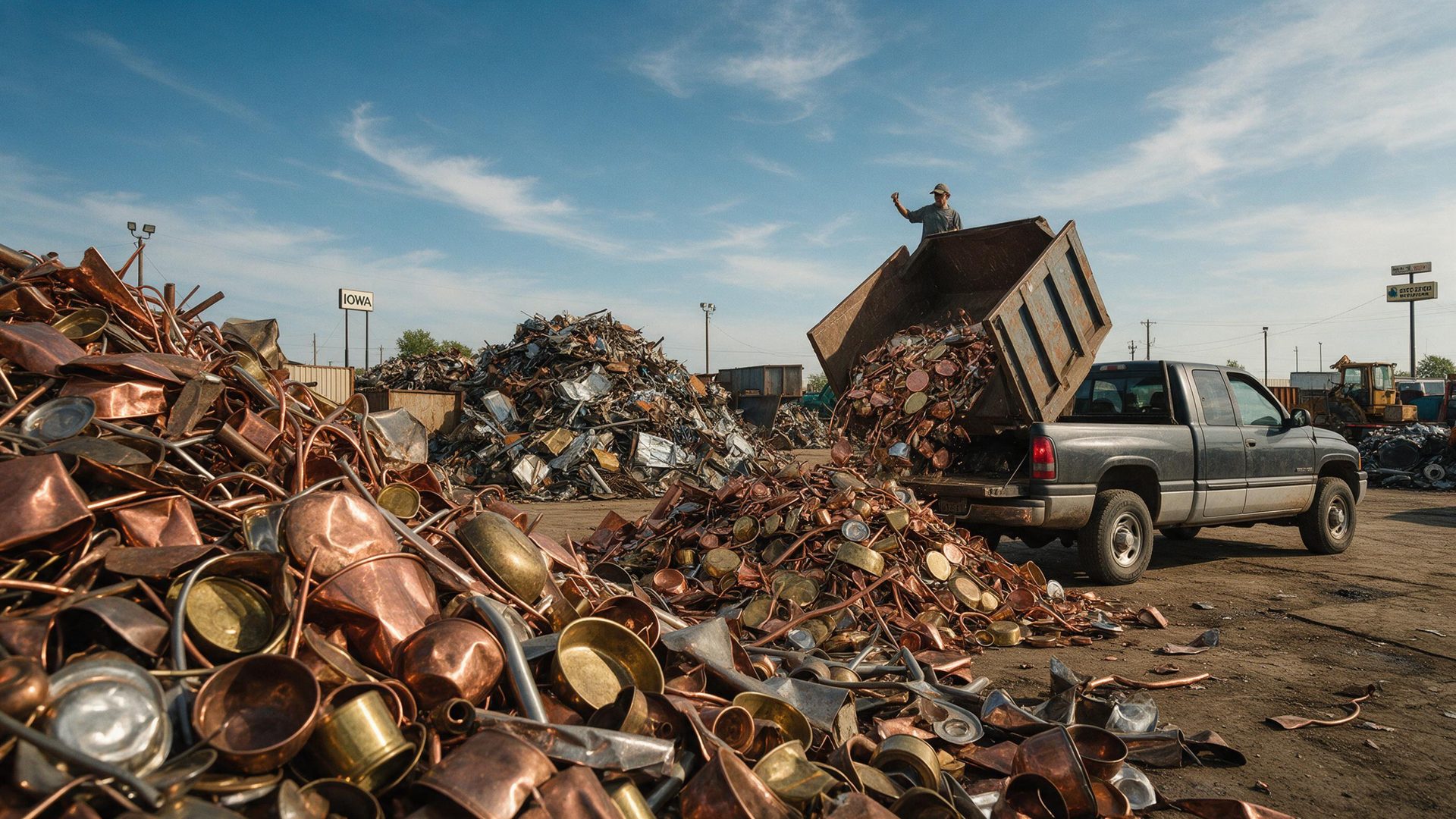
Ankeny keeps adding houses, especially around Prairie Trail and the north growth past Oralabor. The metal there is fresh: copper stubs, HVAC line sets, steel studs, and appliance cartons from a spec home that just got a certificate of occupancy. It is clean if the builder kept it clean, and it is worthless as copper if it went into the same dumpster as tile and lumber.
Older Ankeny, closer to the original downtown, is a different load — water heaters, cast appliances, and the odd car that failed inspection and never left the side yard. Name the cross street. A partner yard will not price a subdivision cutoff the same way it prices a dead sedan.
Local prices vary by yard. Send a photo for a quote. We do not publish a Ankeny scale sheet.
Des Moines Scrap is an independent referral service that connects you with local scrap yards.
Contractor scrap form · Gold and silver · Cash for cars
Sort Ankeny scrap metal before requesting pickup
A magnet is a quick first check, not a final grade. It sticks to most steel and iron, which are ferrous metals; copper, brass, and aluminum are usually non-ferrous. Keep magnetic material apart from non-ferrous pieces. A magnet may not identify every alloy or coated item, so send clear photos and describe anything unusual when asking a partner yard about the load.
Copper grades can make a difference. Clean, uncoated bare bright wire is generally a higher grade than #1 copper, while #2 copper may have solder, paint, or fittings. Insulated wire is usually evaluated with its insulation on, so do not assume stripping it will improve the return. Ask the yard how it grades the material before spending time stripping it.
Keep brass separate from copper, and separate aluminum from steel and other metals. Cast aluminum, sheet aluminum, and aluminum with attached steel or plastic may not be treated alike. Dirt, concrete, insulation, and water add weight without adding metal value and can affect grading. If you cannot identify a piece, leave it in its own group and include it in the photos.
Prepare Ankeny appliances, vehicles, and pickup loads
Refrigerators, freezers, and air conditioners may contain refrigerant. Do not cut lines, puncture a unit, or release refrigerant to make it easier to move. Many yards require proper evacuation before accepting these appliances; ask the receiving yard what condition it accepts. Remove loose food and personal items, but do not dismantle a sealed cooling system yourself.
For a junk car, ask the yard what paperwork it needs before arranging removal. Title requirements and acceptable alternatives can depend on the vehicle and the yard's process. Catalytic converters may require separate identification or paperwork, and a yard may decline one without adequate documentation. Do not remove a converter or other vehicle part until the yard explains its requirements and how it will be evaluated.
Before a possible pickup, send photos of the material and note whether it is loose, bundled, or still attached to a structure. Tell the partner yard about stairs, narrow access, gates, or anything that could block a loading vehicle. Keep sharp edges, unstable stacks, and children clear of the work area. The yard confirms access, weighing, payment, and any ID requirements; this site connects sellers with independent partner yards and does not buy scrap.
Questions
Does the magnet test tell me exactly what my scrap is worth?
No. A magnet can help separate many ferrous metals from non-ferrous metals, but it does not establish the exact alloy, cleanliness, or grade. Coatings and attached materials also matter. A partner yard makes the final grading decision when it evaluates the load, so send photos and ask how to keep uncertain pieces separate.
Should I strip insulation from copper wire before pickup?
Not automatically. Stripping takes time, and the value difference depends on the wire and the yard's grading. Some insulated wire is accepted as a separate grade. Ask the partner yard what it accepts and whether processing the wire is worthwhile before using tools. Never burn insulation; fumes can be harmful and the wire may be rejected.
Can I include a refrigerator or air conditioner with my scrap?
Ask the receiving yard first. Cooling appliances may contain refrigerant, and many yards require it to be properly evacuated before acceptance. Do not cut refrigerant lines or puncture the unit. Tell the yard what appliance you have and whether it is intact so it can explain its requirements before a load or pickup is arranged.
What should I have ready when I ask about a junk car?
Have the vehicle's location, make, model, and condition available, plus photos if possible. Ask the yard what title or other ownership paperwork it requires and whether it needs identification. Mention if the catalytic converter is missing or separate. Requirements and vehicle evaluation are handled by the partner yard, not this referral site.
How do I make a scrap pickup easier and safer?
Separate materials where practical, keep the load accessible, and tell the yard about obstacles or items that remain attached. Do not stack unstable metal or leave sharp edges in a path. Keep people away while loading. Confirm access, accepted material, weighing, payment, and ID arrangements directly with the partner yard before scheduling.