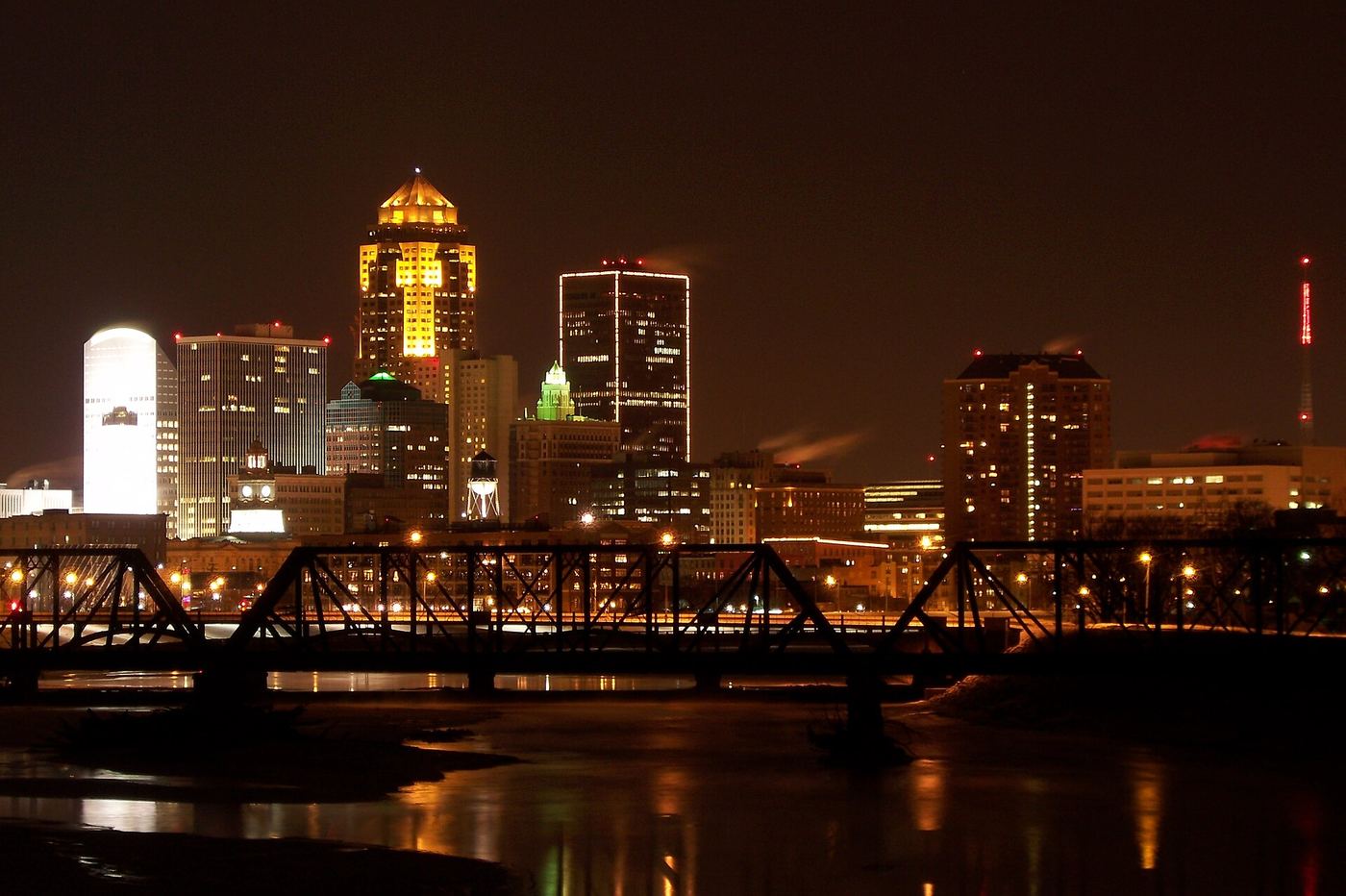
Sell scrap metal around Des Moines without babysitting the pile
Copper from a Beaverdale repipe, steel from a warehouse along I-80, or a truck that died in an Ankeny driveway. Send a photo. A partner yard handles the scale.
Live metal spot prices
Local prices vary by yard. Send a photo for a quote. The figures above are live market spot prices from gold-api, for reference only — not a local scale ticket.
Sorting is necessary
Iowa thaw leaves remodel piles wet. Mud on copper and brass gets them graded down with the steel. Keep bare copper, yellow brass, and appliances in their own piles before anyone loads the trailer.
What usually pays

How it works
Send us a message
Pickup is arranged around the Des Moines metro and the towns listed below. Farther out, say so — a partner may still take a drop-off. Send the form and a photo.
What central Iowa actually throws on the scale
Housing stock from Beaverdale to the western suburbs
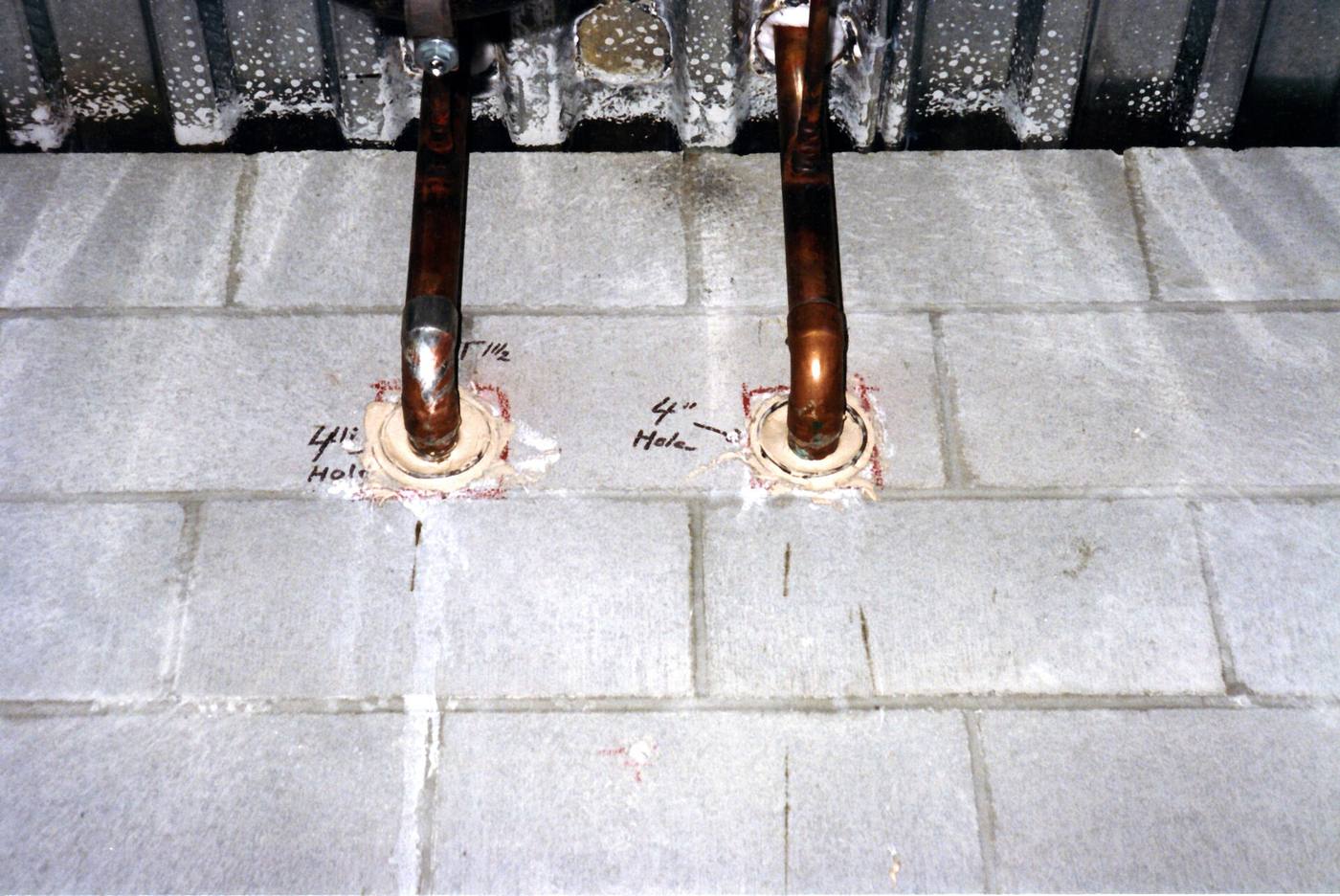
A lot of Des Moines scrap is not industrial. It is plumbing. Neighborhoods built from the 1920s through the 1970s — Beaverdale, the south side, parts of the near west — still give up copper supply lines and brass valves when a bathroom or a boiler finally gets replaced. Those loads are small, and they pay only if the copper is not buried under old drywall and steel studs.
West of the river the story changes. Waukee, Grimes, and the newer edges of Ankeny are still framing houses. Builder cutoffs there are more often copper stubs, HVAC line sets, and leftover steel studs than a basement full of cast iron. Say which one you have. A partner yard prices them differently.
Winter salt, spring mud, and summer build season
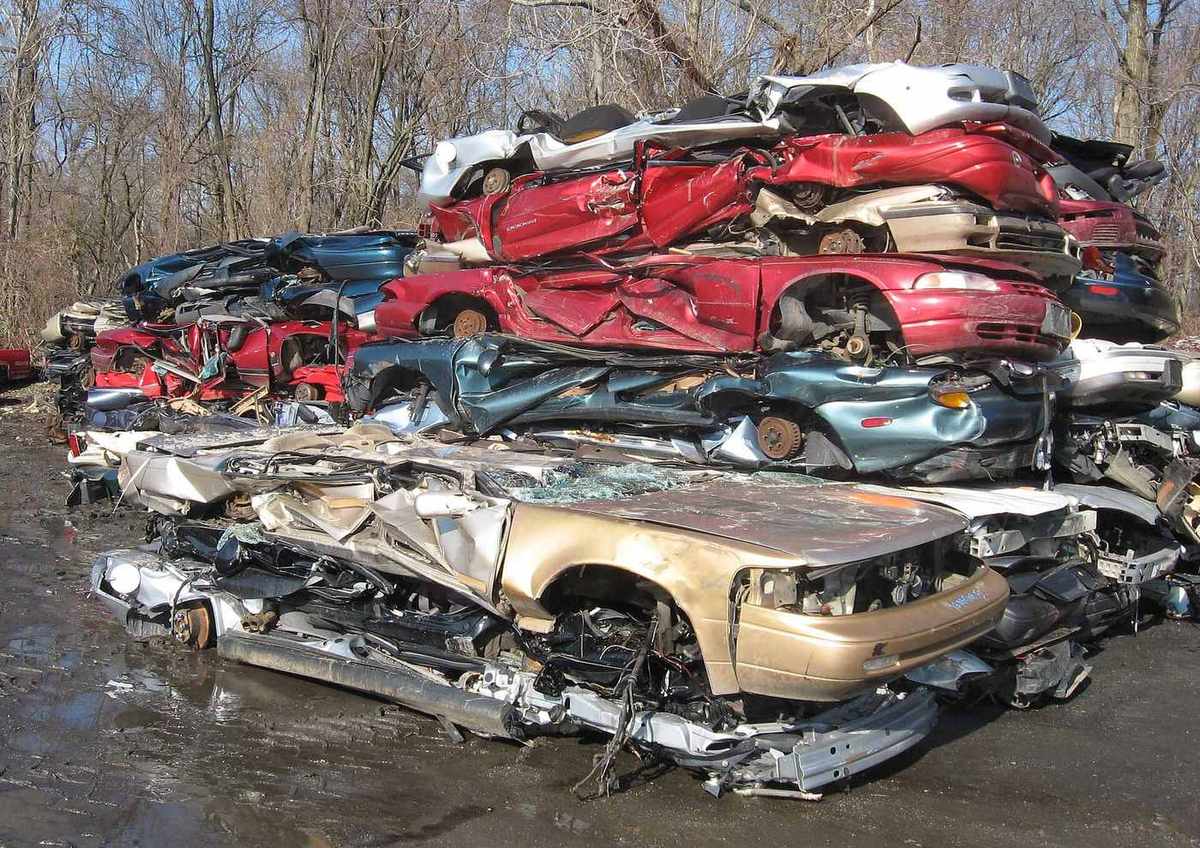
Central Iowa gives scrap a calendar. From the first hard freeze into March, garages fill with broken appliances and cars that will not start. Road salt rides in on floor pans and eats the easy steel. Spring rains then turn uncovered piles into mud, which is how a decent copper load gets bought as dirty. Summer and early fall are when roofers, electricians, and home builders actually want the metal gone so the next inspection can happen.
Storm seasons matter too. After a hail year, roofing crews and insurance rebuilds leave aluminum drip edge, old furnaces, and satellite dishes in alleys from Clive to Altoona. Those are not copper money. They are still worth a photo if the pile is large enough to move.
Warehouses, the Capitol corridor, and the farm edge
East toward Bondurant and Altoona, distribution buildings along I-80 turn over racking, forklift parts, and light steel when a tenant leaves. That is a different truck than a plumber’s van. Downtown and the East Village renovations produce shorter loads: commercial kitchens, old fire sprinkler drops, and the occasional brass fixture from a brick building that is being opened up.
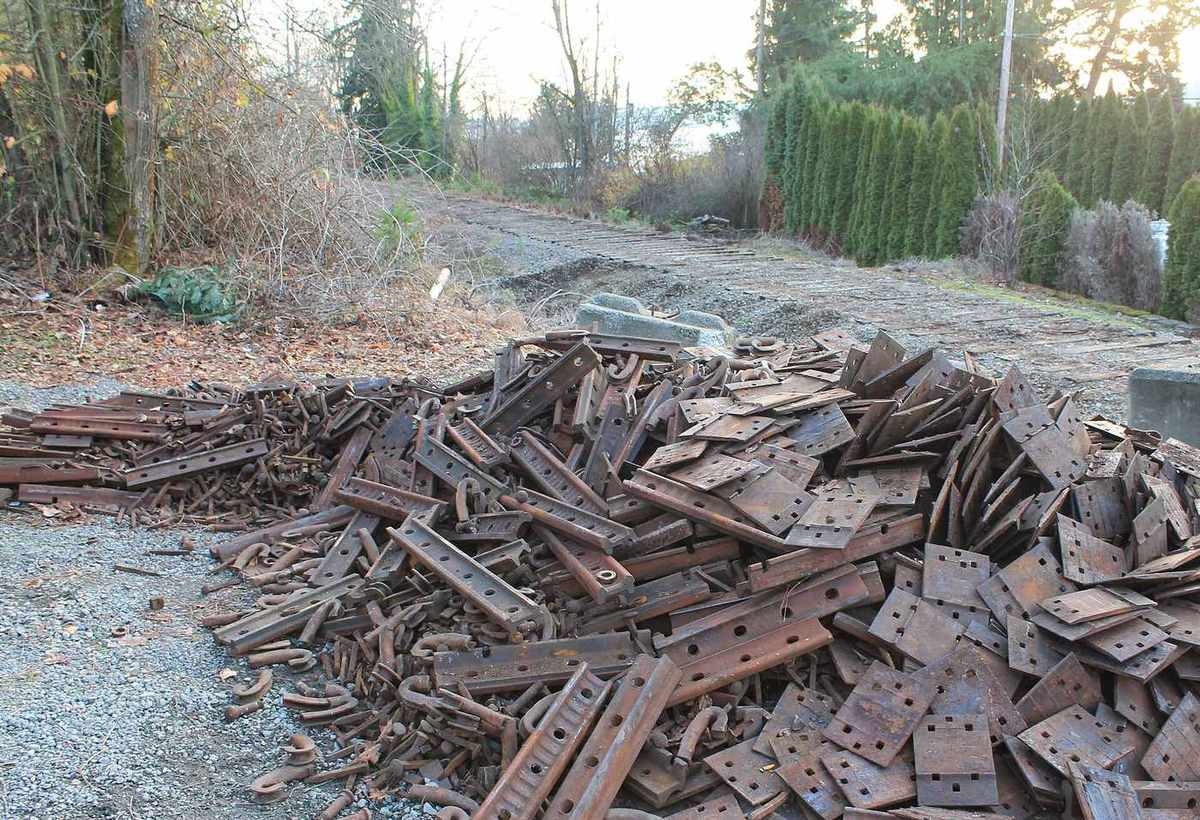
Drive south to Indianola or east to Newton and farm equipment shows up — cultivator shanks, feeders, and steel that has sat behind a machine shed since the last time grain prices were good. Tell the yard if the metal is still bolted to wood or concrete. They would rather know before they roll.
Questions people ask
Do you buy the scrap yourselves?
A partner yard buys the metal and prints the ticket. How that split works is spelled out in the footer.
Will you post today’s Des Moines yard prices?
No. Local prices vary by yard. The live figures on this page are market spot prices for gold, silver, platinum, palladium, and COMEX copper. Send a photo for a quote.
Do I need identification?
Yes. Iowa yards require a valid government-issued photo ID before they pay. Bring the same ID that will be on the ticket.
Towns around Des Moines
Each town below has its own page, because a new Waukee subdivision and an old Newton factory block do not produce the same metal.